
 Search
 Pioneer of Tibet Tourism for Overseas Travelers since 1984!

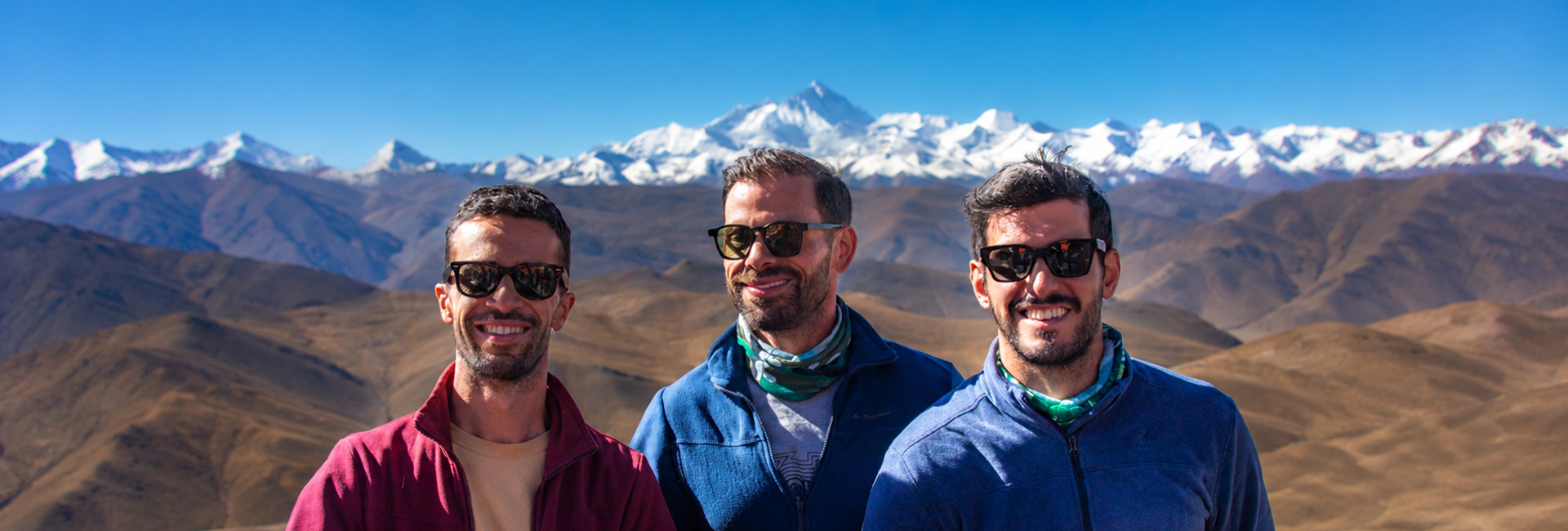
Taking a Tibet train is one of the most memorable ways to travel to Tibet. As the train travels along the Qinghai-Tibet Railway, you can enjoy stunning views of snow-capped mountains, vast grasslands, and the beautiful Tibetan Plateau right outside your window.
Tibet trains connect Lhasa with major Chinese cities, including Beijing, Shanghai, Guangzhou, Chengdu, Chongqing, Lanzhou, and Xining. For those who want to enjoy the scenic railway journey without spending too much time on the train, Xining is a great place to start. The journey to Lhasa takes around 20–22 hours and offers some of the most beautiful scenery along the route.
What Is the Tibet Train and Why Is It Special?
The Tibet train refers to passenger trains running to Lhasa along the Qinghai-Tibet Railway. The railway stretches about 1,956 kilometers from Xining to Lhasa, passing through Golmud, the Kunlun Mountains, and the vast Tibetan Plateau. It reaches its highest point at around 5,072 meters near Tanggula Pass.
The most scenic part of the journey is between Golmud and Lhasa, where the train crosses high mountain passes, open grasslands, and remote plateau landscapes. Unlike flying, taking the Tibet train gives you the chance to enjoy these changing views along the way.
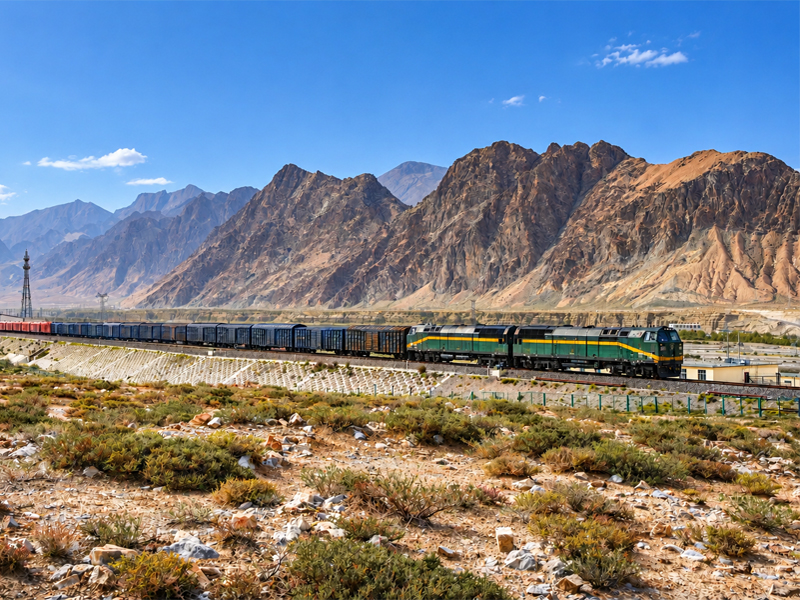
The Tibet train passes through rugged mountain scenery near Golmud on its way to Lhasa.
Where Can You Take a Tibet Train to Lhasa?
You can take a train to Lhasa from several major cities in China, including Beijing, Shanghai, Guangzhou, Chengdu, Chongqing, Xi’an, and Xining. Depending on where you start, the journey takes around 20 to 54 hours.
If you’re planning to travel to Tibet by train, here’s a quick look at the main routes to help you choose where to start.
| Departure City | Travel Time | Best For |
|---|---|---|
| Xining | 19h 42m | A shorter journey with beautiful plateau scenery |
| Xi’an | 31 h | Combining Xi’an and Tibet in one trip |
| Chengdu | 34 h 38m | Visiting the pandas before Tibet |
| Chongqing | 34 h 24m | Combining Chongqing and Tibet |
| Beijing | 39 h 58 m | Starting your China trip in Beijing |
| Shanghai | 45 h 3m | Traveling to Tibet from eastern China |
| Guangzhou | 53 h 27m | Traveling to Tibet from southern China |
For most travelers, the Xining to Lhasa train is a great choice. The journey takes around 20 hours, with just one night on board. Along the way, you can enjoy the beautiful scenery of the Qinghai-Tibet Railway, from snow-capped mountains to vast grasslands, without spending several days on the train.
Xining is also worth exploring before heading to Tibet. If you have extra time, you can visit Kumbum Monastery or take a day trip to the beautiful Qinghai Lake. With several Tibet train departures available from Xining, it’s easy to find a suitable time to continue your journey to Lhasa.
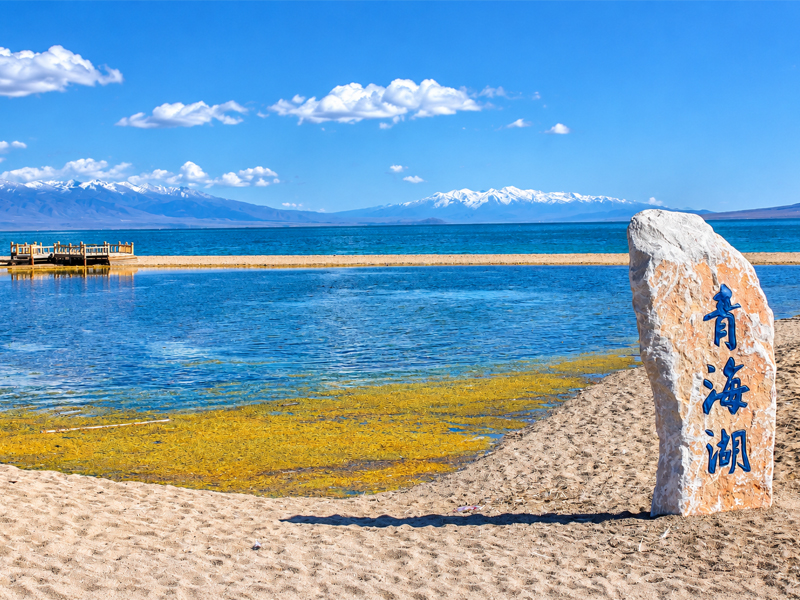
Visit beautiful Qinghai Lake before taking the Tibet train from Xining to Lhasa.
How Much Does the Tibet Train Cost?
Tibet train tickets cost from around CNY 224 (USD 33) for a hard seat from Xining to Lhasa to CNY 1,468 (USD 219) for a soft sleeper from Guangzhou to Lhasa. The price depends on your departure city and the type of seat or sleeper you choose.
Here is a quick comparison of ticket prices for the main Tibet train routes:
| Train Route | Hard Seat | Hard Sleeper | Soft Sleeper |
|---|---|---|---|
| Xining to Lhasa | CNY 224 ($33) | CNY 495 ($74) | CNY 781 ($117) |
| Xi’an to Lhasa | CNY 293.5 ($44) | CNY 611.5 ($91) | CNY 969.5 ($145) |
| Chengdu to Lhasa | CNY 302.5 ($45) | CNY 627.5 ($94) | CNY 997.5 ($149) |
| Chongqing to Lhasa | CNY 302.5 ($45) | CNY 627.5 ($94) | CNY 997.5 ($149) |
| Beijing to Lhasa | CNY 360 ($54) | CNY 720 ($108) | CNY 1,144 ($171) |
| Shanghai to Lhasa | CNY 402.5 ($60) | CNY 793.5 ($119) | CNY 1,262.5 ($189) |
| Guangzhou to Lhasa | CNY 447 ($67) | CNY 865 ($129) | CNY 1,468 ($219) |
Note: Prices are for reference only. USD amounts are approximate, based on an exchange rate of USD 1 ≈ CNY 6.69. Actual fares and exchange rates may vary.
For a more comfortable journey, a soft sleeper is the best choice, especially on longer routes. Soft sleeper cabins have four beds and a door for more privacy, while hard sleepers have six beds in an open compartment. Hard sleepers are a good budget-friendly option, particularly for the shorter journey from Xining. Hard seats are cheaper, but spending around 20 hours or more sitting on a train can be tiring.
Tibet train tickets generally go on sale 15 days before departure. Sleeper tickets are popular and can be difficult to get during the busy travel season, especially around Chinese public holidays. If you’re booking a Tibet train tour with Tibet Vista, we can also help arrange your train tickets and Tibet Travel Permit, making it easier to plan your journey.
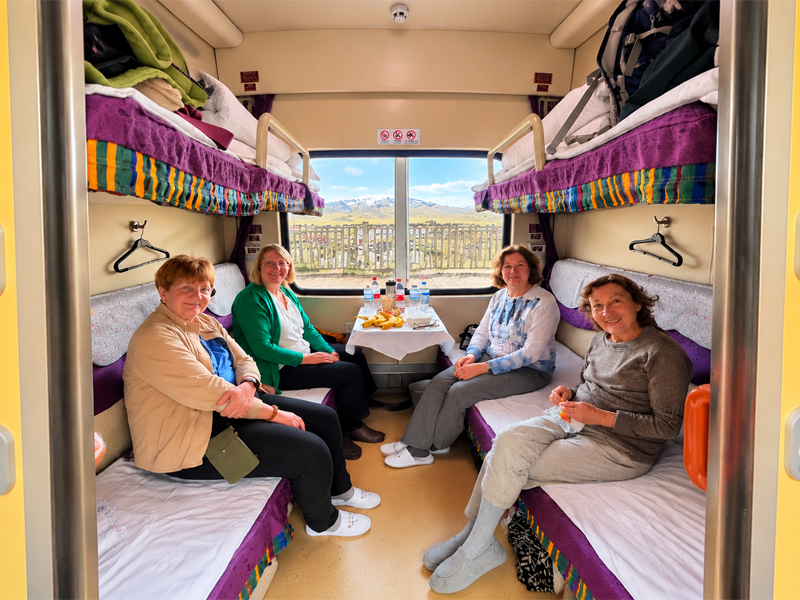
A Tibet train soft sleeper cabin has four berths, offering more privacy and comfort for the overnight journey to Lhasa.
What Is It Like to Travel on the Tibet Train?
Taking the Tibet train is a relaxing way to enjoy the journey to Lhasa. During the day, you can sit by the window and watch the beautiful plateau scenery pass by. At night, you can settle into your sleeper berth and rest while the train continues through the mountains.
Sleeping on the Tibet train is generally comfortable, although it may not be as restful as sleeping in a hotel. The train provides bedding, including a pillow and blanket, and the cabins are heated. Soft sleepers offer more privacy and a quieter space, while hard sleepers can be noisier because the sleeping areas are open. You may also feel the train moving during the night. If you’re a light sleeper, bringing earplugs and an eye mask can help you get a better night’s rest.
You won’t need to worry too much about food. The train has a dining car serving Chinese meals, and attendants also sell snacks and drinks along the carriages. Free hot water is available for making tea, coffee, or instant noodles. Toilets, washbasins, and charging facilities are also available, although you may need to share them with other passengers.
A few small things can make your train journey much more comfortable. Bring your favorite snacks, a water bottle, tissues, wet wipes, and basic toiletries. A pair of lightweight, non-slip slippers is especially handy when moving around the carriage, saving you from putting your shoes on and off throughout the journey. Keep your passport, Tibet Travel Permit, medications, and other essentials in a small bag close to your berth.
As the train climbs higher onto the Tibetan Plateau, an onboard oxygen supply system operates to support passengers at high altitude. You may still feel the effects of the altitude, so take it easy, drink water regularly, and get enough rest.
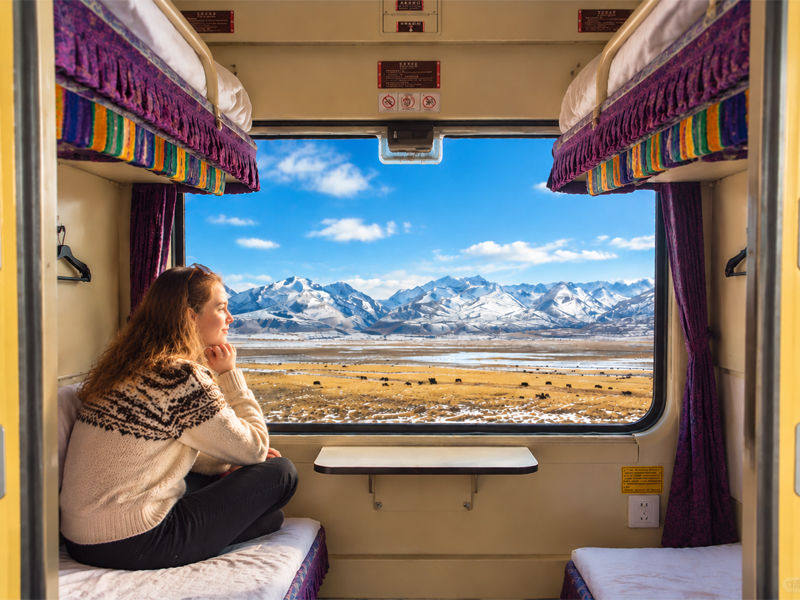
Enjoy beautiful views of snow-capped mountains and vast grasslands from your Tibet train window.
What Can You See Along the Tibet Train Journey?
The most beautiful scenery of the Tibet train journey begins after Golmud, as the train climbs higher onto the Tibetan Plateau. Along the way, you’ll see snow-capped mountains, wide-open grasslands, beautiful lakes, and some of the most remote landscapes in China.
Kunlun Mountains: Snow-Capped Mountain Scenery
The Kunlun Mountains are one of the first major scenic highlights after leaving Golmud. As the train climbs into the mountains, you can enjoy views of rugged peaks, snow-covered slopes, and the vast plateau stretching into the distance.
Keep an eye out for Yuzhu Peak, which rises to around 6,178 meters. On a clear day, its snow-covered summit makes a beautiful sight from the train window.
Hoh Xil: Wildlife and Vast Plateau Landscapes
Beyond the Kunlun Mountains, the train passes through the remote Hoh Xil region, known for its vast open landscapes and wildlife.
This is one of the most exciting places to watch for Tibetan antelopes. You may also spot wild yaks or other plateau animals in the distance, although sightings are never guaranteed. Even without wildlife, the endless grasslands and wide horizons are impressive.

Hoh Xil is home to Tibetan antelopes, which you may be lucky enough to spot during your Tibet train journey.
Tanggula Pass: The Highest Point of the Tibet Railway
At Tanggula Pass, the Qinghai-Tibet Railway reaches its highest point at approximately 5,072 meters above sea level. It’s a special moment of the journey, knowing you’re traveling on one of the highest railway lines in the world.
Outside the window, the landscape is open and rugged, with distant mountains and very little vegetation. You may even see patches of snow during warmer months.
Cuona Lake and the Northern Tibetan Grasslands
After crossing Tanggula Pass, the train continues into northern Tibet, where the scenery gradually changes to open grasslands, lakes, and grazing pastures.
One of the highlights is Cuona Lake, a beautiful high-altitude lake that lies close to the railway. Around Nagqu, you may see herds of yaks and sheep grazing across the grasslands, with distant mountains forming a beautiful backdrop.
As you enjoy the scenery along the way, keep in mind that some highlights may be passed after dark. The views will depend on your train’s schedule and the weather, making every Tibet train journey a little different.
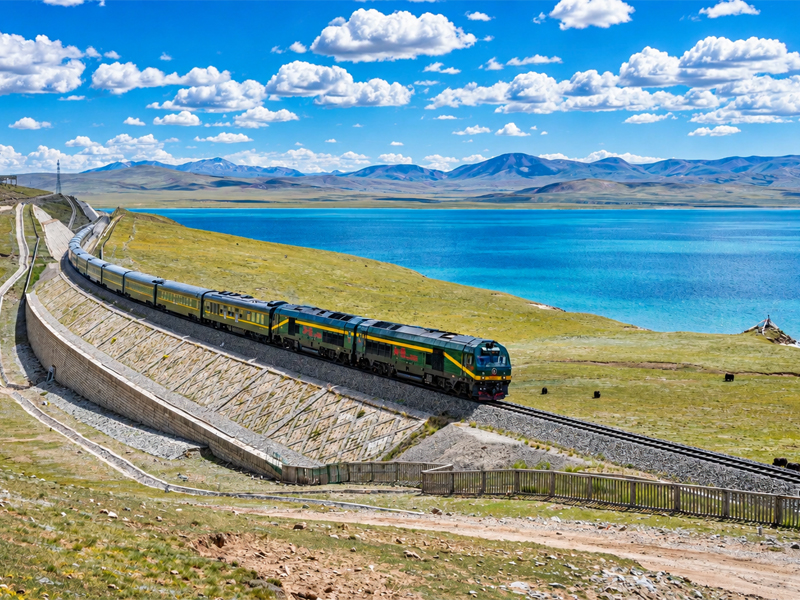
The Tibet train passes right beside beautiful Cuona Lake, offering wonderful views of the lake and surrounding grasslands.
What Documents Do Foreigners Need to Take the Tibet Train?
Before boarding your Tibet train, you’ll need three important documents: your passport, a Chinese visa (if required for your nationality), and a Tibet Travel Permit.
The Tibet Travel Permit is a special travel document required for foreign tourists visiting Tibet. Even if you can enter China visa-free, you’ll still need this permit to travel to Lhasa. Your passport and permit may be checked at the railway station or before boarding the train, so keep them handy.
The Tibet Travel Permit must be arranged through a licensed Tibet travel agency before your trip. If you book a Tibet tour with Tibet Vista, we can help arrange the permit and your train tickets as part of your travel plans.
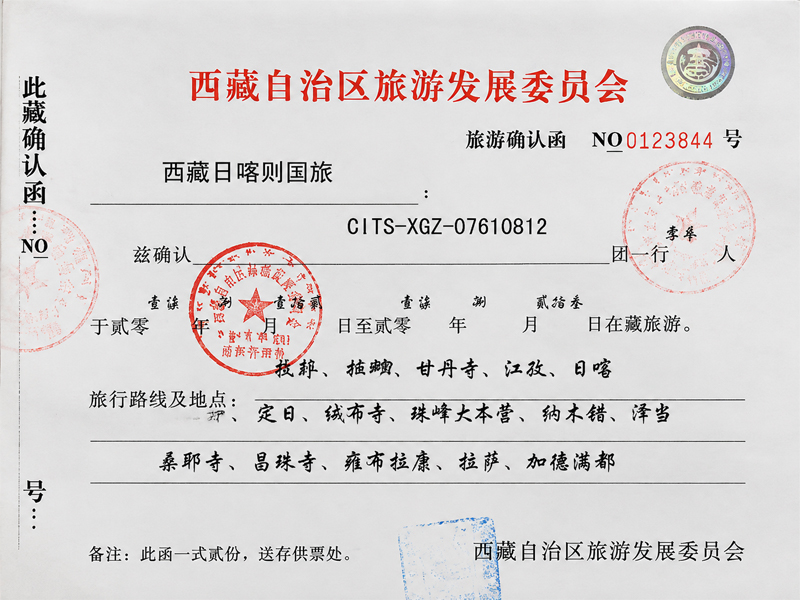
Sample of a Tibet Travel Permit, which foreign travelers may need to show before boarding the train to Lhasa.
Does Taking the Tibet Train Help with Altitude Acclimatization?
Taking the Tibet train is a scenic way to reach Lhasa, but traveling by train doesn’t necessarily reduce your chances of getting altitude sickness compared with flying.
The train gradually climbs onto the Tibetan Plateau, reaching around 5,072 meters near Tanggula Pass. Oxygen is available on board to help passengers feel more comfortable at high altitudes. However, you may still experience mild symptoms such as a headache or tiredness during the journey.
Once you arrive in Lhasa at 3,650 meters, give yourself time to adjust. Take it easy for the first day or two, get plenty of rest, and avoid strenuous activities. If you feel unwell, let your guide know so they can help you get the assistance you need. Give your body time to adjust and enjoy your Tibet journey at a comfortable pace.
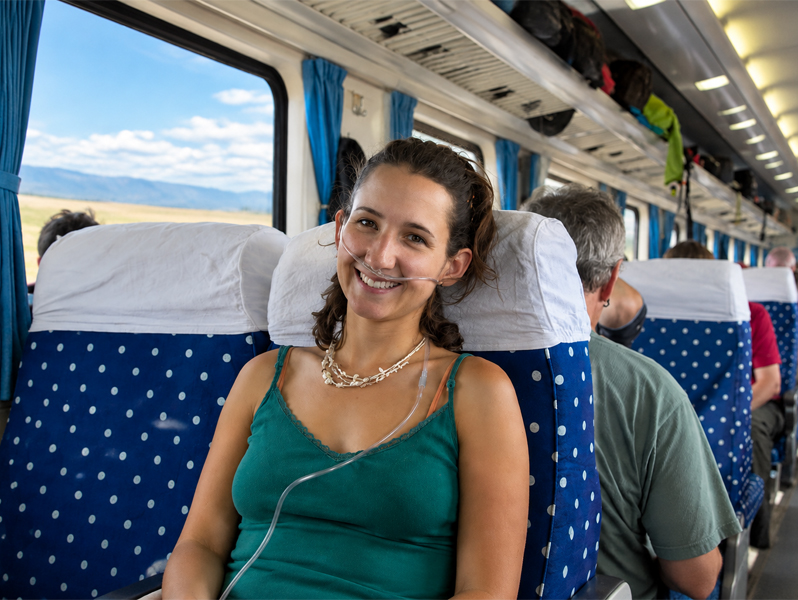
Passengers can use the onboard oxygen supply when traveling at high altitudes on the Tibet train.
Conclusion: Is the Tibet Train Worth Taking?
Yes! If you have the time, taking the Tibet train is a memorable way to begin your Tibet adventure. Instead of flying straight to Lhasa, you can watch the landscape change from mountain valleys to the vast, open Tibetan Plateau. The train ride becomes part of your Tibet experience, not just a way to get there.
For most travelers, the Xining to Lhasa train is the best choice. The journey takes around 20 hours, including one night on board, and covers the most scenic section of the Qinghai-Tibet Railway. It’s a great way to experience the Tibet train without spending several days traveling.
Planning to travel to Tibet by train? Explore our Tibet train tours, combining the scenic railway journey with guided sightseeing in Lhasa, Everest Base Camp, and other highlights of Tibet. Train tickets and Tibet Travel Permits can also be arranged as part of your tour, making it easier to plan your trip.

"Tibet Train: A Popular and Scenic Way to Get to Tibet"